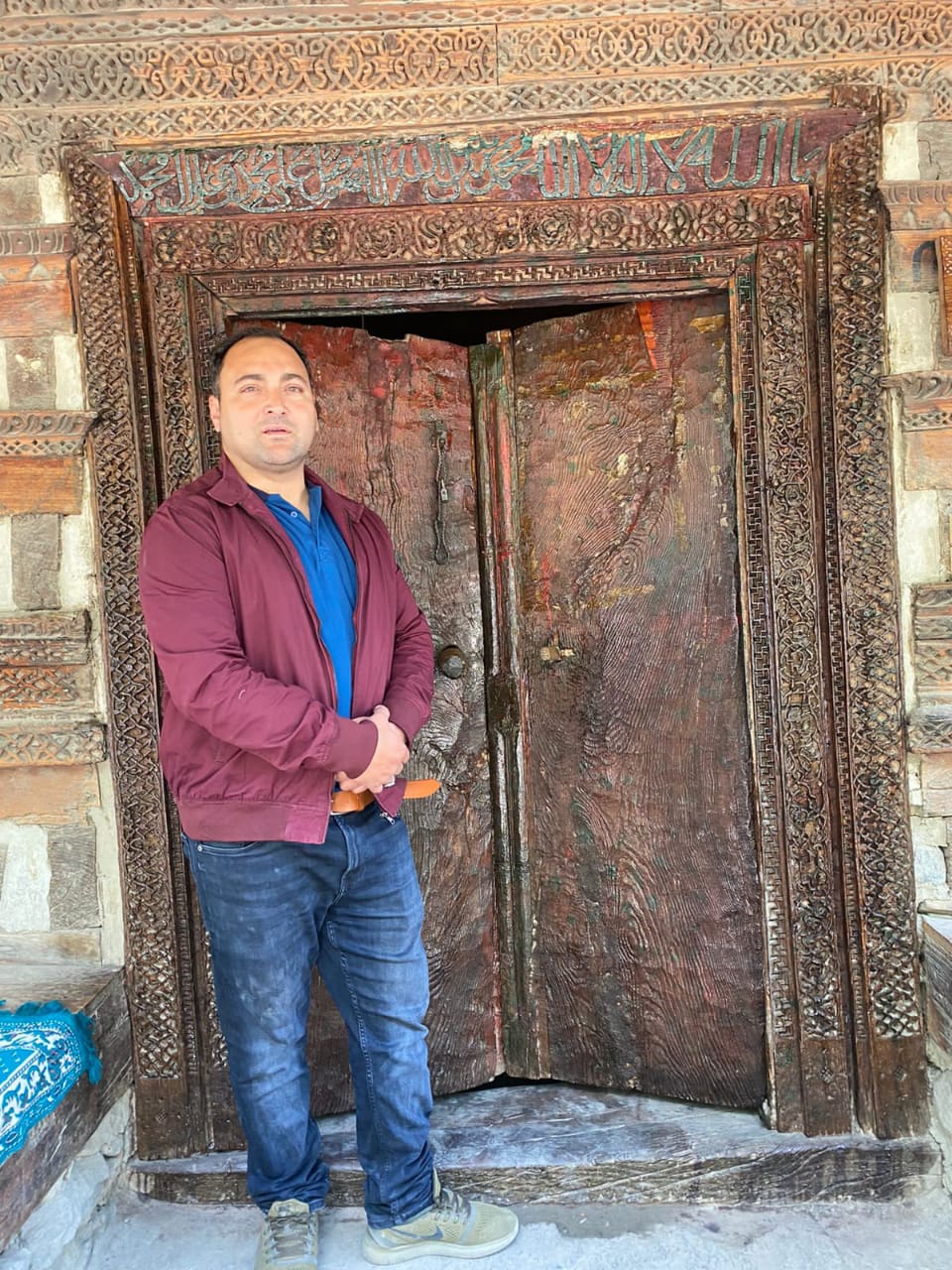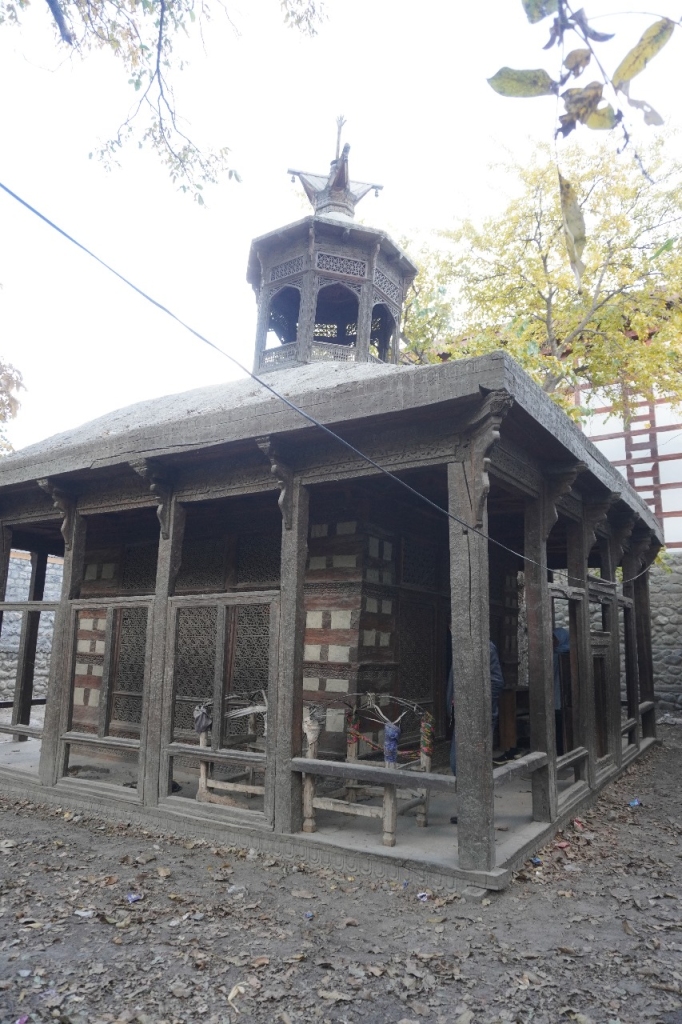
Embark on a journey through the rich tapestry of Gilgit-Baltistan’s cultural and archaeological marvels. Visit the ancient Buddhist carvings of Manthal, explore the intricate petroglyphs of Chilas, and experience the historical grandeur of Kharpocho Fort. GB’s vibrant cultural festivals, such as the Shandur Polo Festival, offer a window into the region’s dynamic traditions. Our interactive map showcases key cultural landmarks, while a timeline traces the evolution of this region’s history. Each site and event tells a unique story of resilience, spirituality, and community.
History of Gilgit-Baltistan
During the 1980s, Gilgit-Baltistan, then referred to as the Northern Areas, began to experience growing demands for autonomy and political recognition. The completion of the Karakoram Highway in the late 1970s had a transformative effect on the region, linking it to Pakistan and China and opening up new economic opportunities. However, this period was also marred by deepening sectarian tensions between Shia and Sunni communities, leading to outbreaks of violence that disrupted the social harmony of the area. Despite these challenges, the decade marked the beginning of a political awakening, with local voices increasingly calling for constitutional inclusion and better representation within Pakistan’s governance framework.
The 1990s saw a rise in political activism in Gilgit-Baltistan as education spread and awareness about constitutional rights grew among the population. Political movements advocating for representation in Pakistan’s parliament gained momentum, reflecting the region’s desire for recognition and inclusion. Meanwhile, the natural beauty of Gilgit-Baltistan began to attract tourists, fostering the growth of a nascent tourism industry that contributed to the local economy. However, infrastructural challenges persisted, limiting the region’s development potential. The 1990s were thus a decade of political awakening and socio-economic exploration, with the people continuing their struggle for identity and recognition.
The 2000s brought significant administrative reforms that reshaped the governance of Gilgit-Baltistan. The landmark Gilgit-Baltistan Empowerment and Self-Governance Order of 2009 renamed the region and granted it a measure of self-governance, including the establishment of a legislative assembly. The decade also saw the region becoming a focal point for economic activity due to its strategic location in the China-Pakistan Economic Corridor (CPEC). Infrastructure projects, trade routes, and cross-border connectivity began to improve, offering new opportunities for growth. However, the shadow of sectarian violence lingered, posing challenges to unity and stability. Despite this, the reforms of the 2000s set the stage for greater political and economic integration.
The 2010s were characterized by rapid development in Gilgit-Baltistan, driven by the expansion of CPEC projects that brought investment in infrastructure, energy, and transportation. The region also experienced a boom in tourism, attracting both domestic and international visitors to its stunning landscapes and cultural heritage. Education and women’s empowerment initiatives gained momentum, improving social indicators and creating new opportunities for the younger generation. However, the demand for full constitutional recognition as a province of Pakistan remained a central political issue. The decade highlighted the region’s growing importance within Pakistan’s economic and geopolitical landscape, even as the struggle for political inclusion persisted.
In the 2020s, Gilgit-Baltistan emerged as a region of strategic significance due to its critical role in CPEC and its proximity to China and India. In 2020, the government of Pakistan announced plans to grant the region provisional provincial status, addressing some of the longstanding demands for political recognition. Technological advancements, such as expanded internet connectivity, began to reduce the isolation of remote areas, while infrastructure projects continued to drive economic development. However, climate change posed new challenges, with melting glaciers and unpredictable weather threatening local livelihoods. The 2020s represent a pivotal decade for Gilgit-Baltistan, as it balances its growing economic importance with the need to address environmental and political challenges.